Perfectionism Therapy for Kids and Teens in Salt Lake City, UT

Growing up is hard for everyone - especially kids! Their world is bigger and faster than the one their parents grew up in, and they are expected to handle it with a brain that is still under construction. School, sports, friendships, and an entire social life that lives inside their phone all compete for the same limited attention, and somewhere in that noise they are supposed to figure out who they are.
The pressure to perform - in the classroom, on the field, and online - never really turns off, and perfectionism is often the way they try to keep a handle on all of it.
The door closes after school and you are left guessing.
At home it usually looks smaller than it feels. As a parent, you get one-word answers and a headline instead of the story. Then something small - a lost charger, a change of plans - turns into a meltdown that clearly is not about the charger. Asking directly tends to make it worse. You watch them carry weight you cannot see and fix problems they will not name, and every attempt to help gets received as another thing to push against.
Here's some reasons you could benefit from Perfectionism Therapy for Kids and Teens
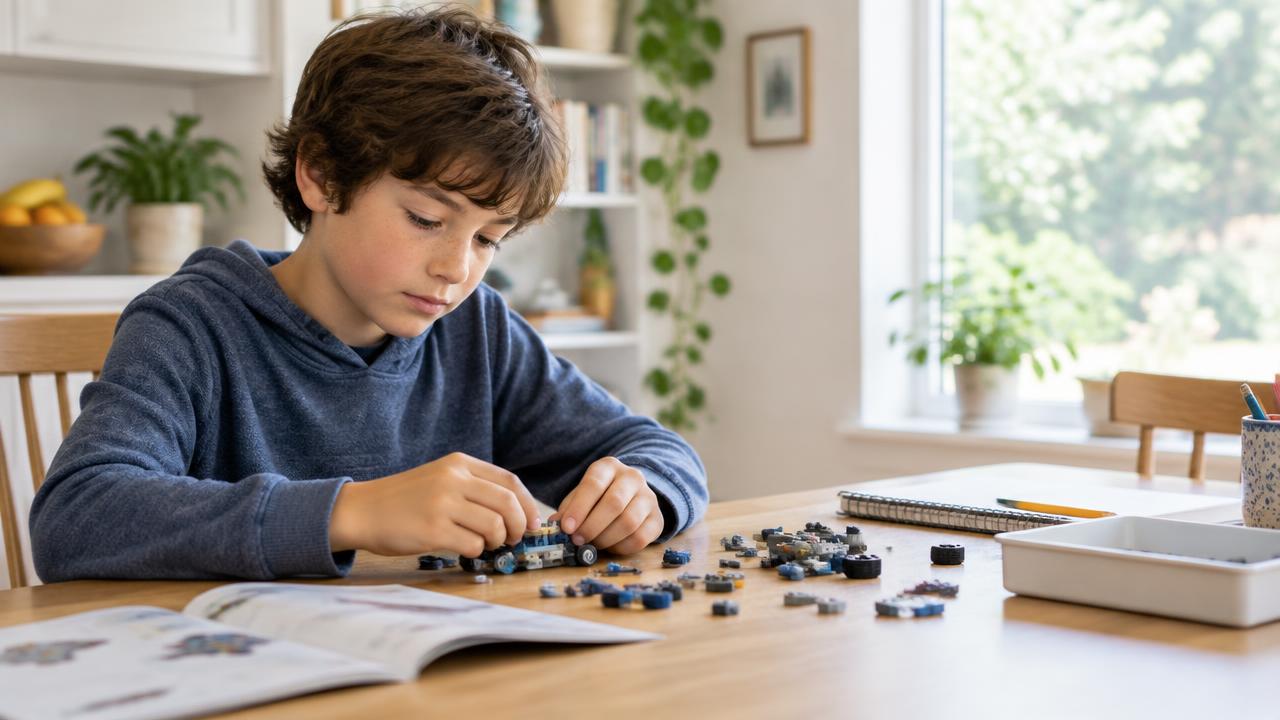
Kids who could benefit from Kids and Teens Therapy may be:
- Shutting down or answering everything with "I'm fine"
- Anxious about school, friends, or the future
- Struggling socially or feeling left out
- Glued to a screen and disconnected from the room
- Losing sleep, motivation, or interest in what they used to love
- Comparing themselves to everyone on their phone
Perfectionism Therapy for Kids and Teens in Salt Lake City, UT can help!

Change is possible, and it starts with one honest conversation. Your child does not have to keep shutting down, melting down over small things, or lying awake at night replaying every awkward moment. You do not have to keep walking on eggshells at home or guessing whether this is a phase that will pass.
Therapy helps them name what they are feeling, build real skills for anxiety and anger, and rebuild their confidence - and it helps you reconnect with the kid you know is still in there. It gives them a place where the pressure comes off, where they can say the things they cannot say to you yet, and where someone is in their corner without an agenda. Families get clear check-ins, honest guidance, and a plan they can actually follow at home. Families who do this work start seeing it in small ways first: easier mornings, fewer blowups, and conversations that do not end in a slammed door.
Benefits of Perfectionism Therapy for Kids and Teens
You see it in small things first. A hard day stops turning into a lost week. They can name what they are feeling instead of slamming a door. Sleep gets better, the mornings get easier, and they start bringing you the story instead of the headline. School stops feeling like a performance they have to survive, and the phone stops being the only place they feel okay. They leave with skills for anxiety and anger they can actually use, and you get your kid back in the room - laughing at dinner, complaining about chores again, and telling you about their day without being asked twice. That is what change looks like for a family doing this work:
- Fewer meltdowns over the small stuff - and faster recovery when they happen
- Real words for big feelings instead of door slams and one-word answers
- Better sleep and easier mornings before school
- Confidence that does not depend on being perfect
- Skills for anxiety and anger they can use at school, at home, and online
- A warmer relationship - they come to you with the story, not just the headline
My Approach for Perfectionism Therapy for Kids and Teens
They do not have to want therapy on day one. Most do not. My job is to make the room worth showing up to.

In Perfectionism Therapy for Kids and Teens, the first session is mostly about safety and joining. They get to set some of the terms - what we talk about first, what we leave alone for now. From there we name feelings before we try to manage them, because you cannot regulate something you cannot describe. Then we build practical skills for anxiety, anger, and sleep, and we practice the hard conversations - with me first, then with you. Homework stays small enough to actually get done.
I have worked with numerous families in the Salt Lake area. Parents get regular check-ins. Your child gets real privacy about the day-to-day, and I will always tell you anything that involves their safety. That balance is what makes them willing to talk in the first place.
So let's get started! Any worthwhile journey starts with a single step. Come see if I am a good fit for your family!
Reach out to a Kids and Teens Therapist in Salt Lake City, UT today!
Meet Hugh, your Perfectionism Therapist for Kids and Teens in Salt Lake City, UT!
Learn more about Hugh →
How to Book with Hugh in Salt Lake City, UT
- 01
Request a FREE 15-minute consultation
Not sure if I'm the right one for you? Reach out by phone, text, or email and let's find a time that works to see if we're a fit! We will talk through what brought you here and what you're looking for!
Request your free 15-minute consult → - 02
Schedule your first session
If it feels like a fit, let's get to work! We'll set up your first 50- or 90-minute session — by telehealth in Utah or Virginia. We'll get to know the issue, set goals and get a clear direction.
- 03
Begin the work
Here we go! We name your goals, identify the patterns keeping you stuck, and start building the skills that move you forward, whether that's in your own life, your relationship or your family.